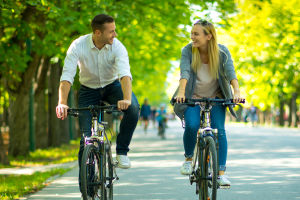
There's something thrilling about feeling the wind rush past as you ride through your neighborhood, down a scenic trail, or along the beach. More people are falling in love with cycling these days, and it's not just a trend—it's a lifestyle shift that's here to stay. From fitness enthusiasts to casual riders, it seems like everyone is discovering the joy of pedaling.
But what's behind this growing love for cycling? Let's take a deeper look at why more and more people are getting on their bikes and loving it.
Health Benefits: Cycling for a Stronger Body
One of the biggest reasons people are taking up cycling is the health benefits. Whether you're looking to improve your cardiovascular health or just stay active, cycling offers a full-body workout that is both effective and fun.
Cycling is low-impact, making it an ideal exercise for people of all ages and fitness levels. It strengthens your legs, improves joint mobility, and boosts endurance—all without putting excessive strain on your knees and hips, as running sometimes does.
1. Cardio Health – Cycling raises your heart rate, helping to improve circulation and cardiovascular fitness. Regular cycling can reduce the risk of heart disease by lowering blood pressure and improving overall heart health.
2. Muscle Toning – Cycling helps tone and build muscles, especially in the legs, hips, and lower back. As you pedal, you're working your quads, hamstrings, calves, and glutes, giving you a leaner, more toned physique over time.
3. Weight Loss – For those looking to shed a few pounds, cycling can be an effective way to burn calories. Whether you're cycling for an hour or doing more intense cycling, you're engaging your entire body, making it an excellent fat-burning exercise.
Taking a short ride a few times a week can help you stay fit and boost your energy levels, all while enjoying the outdoors.
Environmental Impact: Eco-Friendly Transportation
Cycling isn't just good for your body—it's also great for the environment. With the rise of eco-consciousness around the world, many people are turning to bikes as a more sustainable form of transportation.
Unlike cars, bicycles don't emit harmful gases or contribute to air pollution. Riding a bike instead of driving reduces your carbon footprint significantly, making it a great way to contribute to environmental sustainability.
1. Less Traffic Congestion – In urban areas, cycling can help reduce traffic congestion. Fewer cars on the road mean fewer traffic jams, making the commute faster and more enjoyable for everyone.
2. Reduced Emissions – Cars are one of the largest contributors to carbon emissions. Cycling as an alternative transportation method helps reduce the overall environmental impact.
3. Fuel Savings – The cost of filling up your car is rising, but when you cycle, the only fuel you need is food and water. Cycling is a cost-effective way to get around, especially for short trips.
As cycling becomes more popular, cities are also investing in infrastructure to make biking safer and more accessible, from bike lanes to public bike-sharing programs.
Mental Health: Cycling for Clarity
Cycling isn't just about physical health—it also provides significant mental health benefits. In our fast-paced world, many people are finding that cycling offers a much-needed mental escape. The repetitive motion of pedaling, combined with fresh air and outdoor scenery, can have a calming effect on the mind. According to Dr. Jaclyn Kubiak, of the Cleveland Clinic, cycling does more than strengthen your body — it promotes the release of natural “feel-good” chemicals in the brain, which can help reduce anxiety and symptoms of depression and improve overall mood when done regularly. Health authorities like Healthdirect also note that cycling can lower stress, improve sleep, and support mental well-being by combining aerobic exercise with outdoor movement. Research further links cycling with relaxation, enjoyment, and increased psychological well-being, suggesting it offers a valuable mental escape in our fast-paced lives.
1. Stress Relief – Cycling outdoors helps release endorphins, the body's natural mood elevators. The rhythmic movement can help reduce stress and anxiety, providing a sense of calm after a long day or a stressful situation.
2. Improved Mental Focus – Regular cycling also helps improve cognitive function. The combination of physical exertion and the need for concentration on the road enhances brain health and focus.
3. Boosted Confidence – As cyclists build their skills and complete longer rides, their sense of accomplishment grows. This can lead to improved self-esteem and a more positive perspective on life.
For those seeking a break from the pressures of daily life, cycling offers the perfect opportunity to clear your mind while staying active.
Social Connection: Cycling as a Group Activity
Cycling isn't just a solo pursuit—it's a great way to connect with others. Whether you're joining a cycling group, participating in charity rides, or simply enjoying a leisurely ride with friends, cycling fosters a sense of community.
Many cities have cycling clubs that offer group rides, ranging from easygoing social rides to more competitive cycling events. These groups provide an opportunity for people to meet new friends and bond over a shared passion.
1. Cycling Events – Charity rides, marathons, and fun cycling events are popular ways to meet others who share your interest in cycling. These events often bring people together for a good cause, adding a sense of purpose to the ride.
2. Family-Friendly – Cycling is an activity that families can enjoy together. Whether it's riding through the park, on a bike trail, or just around the neighborhood, cycling is a great way to spend quality time with loved ones.
3. Cycling Communities – Online cycling communities and forums allow cyclists to connect, share tips, and offer support. It's a great way to learn new cycling routes, find bike maintenance tips, and exchange experiences with others.
Cycling groups can provide motivation, encouragement, and a sense of belonging—whether you're an experienced rider or just starting.
Accessibility: Cycling for Everyone
Cycling is one of the most accessible forms of exercise available. You don't need expensive gym memberships, fancy equipment, or a personal trainer to get started. A bike and a helmet are all you need, making it a great option for anyone, no matter their background or fitness level.
Additionally, bikes come in various types, from road bikes to mountain bikes to electric bikes, allowing individuals to choose the one that best suits their needs and preferences. For those who may have mobility issues or are new to exercise, electric bikes (e-bikes) offer a way to enjoy the sport with less effort.
1. Affordable – Unlike many other forms of exercise or sports, cycling doesn't require a big investment. A basic bike can be affordable, and you don't need to pay for a gym membership or high-end gear to get started.
2. Beginner-Friendly – Anyone can start cycling, no matter their age or experience level. Whether you're a teenager, an individual, or even a senior, cycling can be adapted to fit your abilities.
3. Local Trails and Routes – Many cities are improving their bike-friendly infrastructure, making it easier for people to cycle on designated trails, bike lanes, and local routes. This makes cycling safer and more enjoyable for beginners and experts alike.
Cycling's accessibility is one of the main reasons it continues to gain popularity across different demographics.
Conclusion: The Joy of Cycling
Cycling isn't just a form of transportation—it's a way to improve your health, reduce your environmental impact, boost your mental well-being, and connect with others. Whether you're cycling for fitness, relaxation, or social reasons, it offers something for everyone. And as more people discover the joys of cycling, it's clear why the sport is becoming more popular than ever before.
So, the next time you see someone cruising by on a bike, remember—it's not just about getting from point A to point B. It's about embracing a lifestyle that's good for the body, the mind, and the planet.