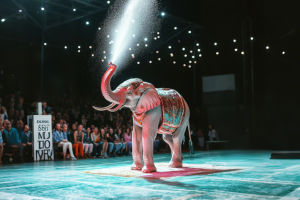
We often focus on our own mental health, but our animal companions have minds too. Pets and captive wildlife can experience stress, anxiety, and even depression. Their emotions may not be obvious, but they are very real.
Observing their behavior carefully can reveal subtle signs that something is wrong. With our attention and care, we can improve their mental well-being and help them thrive. Understanding animal mental health is not just for experts—it’s something we can all do to make a real difference.
Understanding Animal Mental Health
Animal mental health refers to the emotional and psychological well-being of animals. Like humans, animals can feel fear, loneliness, boredom, and stress. Poor mental health often shows up as abnormal or repetitive behaviors, called stereotypic behaviors. These can include pacing back and forth, repetitive head-bobbing, self-biting, or endlessly circling an enclosure. While these behaviors may help animals cope with stress temporarily, they are harmful in the long run, affecting both body and mind.
A mentally healthy animal, on the other hand, is curious, playful, and engaged. It interacts positively with its environment and peers, explores new things, rests comfortably, and responds to stimulation without anxiety. Ensuring that animals are mentally healthy is as important as keeping them physically healthy—it helps them live full and happy lives.
Causes of Mental Health Issues in Animals
Several factors can affect animal mental health, including environment, social relationships, and human interaction.
- Environment: Wild animals are used to roaming large territories, exploring, and making their own choices. Captivity removes that freedom and limits their natural instincts. Small, monotonous, or artificial spaces can lead to boredom, frustration, and depression. Even domestic pets in small apartments or without mental stimulation can develop anxiety or depressive behaviors. Providing a stimulating and natural-feeling environment is key to preventing stress.
- Social Relationships: Animals are social creatures. Isolation, loss of companions, or repeated exposure to aggressive peers can create emotional trauma. Solitary animals in captivity may show depression, while social animals deprived of interaction may display aggression, withdrawal, or repetitive behaviors. Healthy social connections are crucial for emotional well-being.
- Human Interaction: Even well-meaning humans can unintentionally cause stress. Overhandling, sudden changes, loud noises, or inconsistent routines can make animals anxious. Negative interactions, neglect, or misuse can worsen their mental state, sometimes leading to chronic stress or behavioral issues. Paying attention to how we interact with animals can prevent many of these problems.
Recognizing Signs of Mental Stress
Observing our animals closely is key to identifying mental health problems. Some common signs include:
- Behavioral Changes: Pacing, head-bobbing, excessive grooming, self-harming, or unprovoked aggression.
- Emotional Signals: Withdrawal, fearfulness, lethargy, or reduced playfulness.
- Physical Symptoms: Loss of appetite, weight loss, poor coat quality, or frequent illness, often linked to stress.
We can learn to read these signals and respond proactively, preventing long-term damage and improving our animals’ quality of life.
How We Can Support Animal Mental Health
- Enrich Their Environment: Provide stimulating spaces with toys, climbing structures, plants, or safe obstacles. Rotating toys or adding new sensory experiences keeps animals engaged. For pets, simple things like puzzle feeders, interactive toys, or outdoor time can make a huge difference.
- Encourage Social Interaction: Companionship is vital. Introducing compatible peers, spending quality time with pets, or allowing safe social engagement helps animals build healthy bonds and feel secure.
- Routine and Stability: Animals thrive on predictable routines. Feeding, playtime, and rest at consistent times reduce anxiety and create a sense of stability. Sudden changes in routine should be minimized, especially for sensitive animals.
- Professional Guidance: For severe behavioral or emotional issues, consulting a veterinarian or an animal behaviorist is crucial. Early intervention prevents chronic stress and improves long-term outcomes. We can also educate ourselves on animal psychology and enrichment techniques to better support them daily.
Taking Care of Their Minds
Animal mental health is just as important as physical health. By paying attention to behavior, providing stimulating environments, encouraging social interaction, and offering consistent care, we can greatly improve the well-being of our animal companions. Lykkers, let’s stay aware of our pets’ and wildlife friends’ emotional needs and give them the care and attention they deserve—we are their voice in the world, and our actions make a real difference every day.
How to Handle Dog Separation Anxiety @Petcarefull
Video by Pets Careful