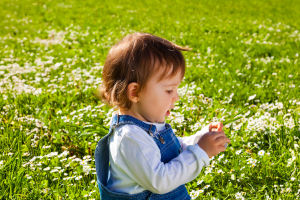
On a quiet morning in a school garden, a group of children observe a small plant growing from the soil.
They measure its height, notice the shape of its leaves, and ask questions about how it grows.
This moment may appear simple, but it reflects a powerful educational experience. Nature education allows children to learn directly from the environment around them, turning curiosity into meaningful knowledge.
In modern societies, where technology and indoor learning dominate daily life, opportunities to interact with nature have become less common. However, research shows that environmental education provides unique benefits that support children's intellectual growth, emotional well-being, and sense of responsibility toward the natural world.
Because of these benefits, educators increasingly recognize nature education as an essential part of balanced learning.
Nature Education Enhances Academic Learning
Environmental education often connects classroom subjects with real-world experiences. Instead of only reading about ecosystems or weather patterns, children can observe plants, insects, soil, and water first-hand in natural environments.
Outdoor learning helps students understand scientific concepts through observation and experimentation. For example, measuring plant growth introduces mathematics, while identifying plant species supports biology and environmental science.
Educational studies indicate that students who participate in environmental education programs often demonstrate improved academic performance. Hands-on learning activities make lessons more engaging and easier to understand.
When children connect school subjects with real experiences in nature, knowledge becomes more meaningful and memorable.
Supporting Emotional Well-Being
Nature education also benefits children's emotional development. Time spent in green environments can improve mood and reduce stress, creating a more balanced emotional state.
Studies indicate that children who spend time learning in natural environments often show increased happiness, improved self-confidence, and stronger resilience when facing challenges.
Natural settings provide calm spaces where children can relax and focus. The presence of trees, plants, and natural landscapes encourages mindfulness and emotional stability.
These emotional benefits help children approach learning with greater enthusiasm and confidence.
Developing Environmental Awareness
One of the most important goals of nature education is helping children understand the importance of protecting the natural world. When children learn about ecosystems, plants, and wildlife through direct experiences, they develop stronger appreciation for the environment.
Environmental education teaches children how natural systems work and why conservation is necessary. This knowledge helps young learners recognize the relationship between human activities and environmental health.
Research shows that children who regularly interact with nature often develop long-lasting concern for the environment. Early experiences in nature can inspire attitudes and behaviors that support environmental protection later in life.
These experiences encourage responsibility and stewardship for the planet.
Encouraging Curiosity and Critical Thinking
Nature education naturally stimulates curiosity. When children encounter unfamiliar plants, insects, or weather patterns, they begin asking questions and searching for explanations.
This process strengthens critical thinking skills. Children learn to observe details, compare patterns, and test ideas about how natural systems work.
Outdoor learning environments also allow children to explore freely, which encourages creativity and imagination. Natural objects such as leaves, stones, and branches can inspire experiments, art projects, or storytelling activities.
Through these experiences, children develop a mindset focused on discovery and inquiry.
Practical Ways to Introduce Nature Education
Nature education does not require large forests or specialized facilities. Simple outdoor experiences can provide meaningful learning opportunities.
1. Create school gardens
Gardens allow children to learn about plant growth, soil, and seasonal changes.
2. Use outdoor classrooms
Teaching certain lessons outside helps connect academic subjects with real environments.
3. Organize nature observation activities
Children can study insects, leaves, or birds to develop observation skills.
4. Encourage environmental projects
Activities such as planting trees or maintaining green spaces teach responsibility.
5. Include nature in creative activities
Drawing, storytelling, and crafts inspired by nature promote imagination.
6. Explore nearby parks
Regular visits to green spaces help children observe seasonal changes.
7. Connect science lessons with real environments
Outdoor experiments make scientific ideas easier to understand.
These simple strategies can transform ordinary outdoor experiences into powerful educational opportunities.
A Lesson That Extends Beyond the Classroom
Nature education teaches children far more than scientific facts. It shapes how they see the world and their role within it. Through outdoor learning, children gain knowledge, emotional balance, curiosity, and a sense of responsibility toward the environment.
In an increasingly digital world, maintaining this connection with nature has become more important than ever. When children learn from the natural environment, they develop both understanding and respect for the ecosystems that support life.
Ultimately, nature education reminds us that some of the most valuable lessons cannot be found only in textbooks. Sometimes the greatest classroom is the world outside—full of living systems, changing seasons, and endless opportunities for discovery.