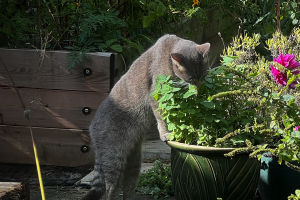
There’s a reason people often compare the British Shorthair to a plush toy. That signature “teddy bear” appearance isn’t just about round cheeks and calm eyes—it’s largely defined by one standout feature: an exceptionally dense coat.
Unlike many short-haired breeds, their fur doesn’t lie flat. Instead, it stands away from the body, creating a thick, velvety texture that feels almost springy to the touch.
This coat didn’t develop by accident. It’s the result of generations of adaptation and selective breeding, originally shaped by the damp, chilly climate of the United Kingdom. Understanding how this dense coat works—and how to care for it properly—can make a noticeable difference in your cat’s overall health and comfort.
What Makes Their Coat Structurally Unique?
The British Shorthair’s coat is often described as “double-layered,” but what sets it apart is the balance between the undercoat and outer coat. In many breeds, the undercoat is softer and less prominent. Here, both layers are equally developed, creating a uniform density that gives the fur its plush, upright look. Each hair shaft is thick and tightly packed with others, meaning the coat functions almost like insulation foam.
This structure helps regulate body temperature efficiently, keeping the cat warm in cooler environments without requiring long fur. Interestingly, this density also affects how the coat reflects light. A healthy British Shorthair’s coat often appears slightly matte rather than glossy, which is completely normal. Excessive shine can sometimes indicate oil imbalance rather than superior coat quality.
Seasonal Shifts: Not Just Shedding, But Transformation
While all cats shed, British Shorthairs undergo a more noticeable transition between seasons due to their dense coat. In warmer months, the undercoat loosens, allowing airflow closer to the skin. During cooler periods, it thickens again to provide insulation. This isn’t random shedding—it’s a biologically timed cycle influenced by daylight exposure and temperature changes.
Indoor cats may still follow this pattern, though often less dramatically. What many owners overlook is that improper grooming during these transitions can trap dead fur within the coat. This doesn’t just lead to more hair around the house—it can reduce airflow to the skin and increase the risk of irritation or mild dermatitis.
Nutrition: The Hidden Driver of Coat Density
A dense coat doesn’t maintain itself. Behind every thick, healthy layer of fur is a diet that supports keratin production and skin health.
Protein plays the central role here, as hair is primarily made of keratin — a structural protein. However, dietary lipids are just as critical. Essential components like omega-3 and omega-6 help support skin hydration and elasticity, which directly impact how well the coat holds its structure.
Micronutrients also matter more than many realize. Zinc, biotin, and vitamin A contribute to follicle strength and repair cycles. Deficiencies don’t always show up immediately but can gradually reduce coat thickness or lead to uneven shedding.
A British Shorthair with optimal nutrition will have a coat that feels dense yet flexible—not brittle, greasy, or patchy.
Grooming: Less Frequent, More Intentional
Despite their thick coat, British Shorthairs don’t require daily grooming—but when you do groom them, technique matters more than frequency. Because their fur is so compact, light surface brushing won’t reach the undercoat. This is why many experienced owners use a combination of tools: a soft slicker brush to lift loose fur and a fine-toothed comb to gently work through the deeper layers.
Occasionally brushing against the natural direction of hair growth can help release trapped fur, but it needs a light touch so the skin stays comfortable. Too much brushing can interfere with the coat’s natural oils and take away its plush, full look. Bathing isn’t needed often unless the fur looks dirty or greasy. Washing too frequently can remove the oils that keep the coat thick and healthy.
When Coat Changes Signal a Problem
A British Shorthair’s coat is more than aesthetic—it’s a visible indicator of internal health. Subtle changes can reveal underlying issues long before other symptoms appear.
For example:
- A thinning coat may point to hormonal imbalances or aging-related changes.
- Excessive shedding outside seasonal cycles could suggest stress or nutritional gaps.
- Patchy fur loss might indicate parasites, fungal infections, or allergies.
Because their coat is naturally dense, any deviation is often easier to notice compared to other breeds. Paying attention to these details allows for earlier intervention and better outcomes.
Caring for the Coat as They Age
As British Shorthairs grow older, their grooming habits often decline. Reduced flexibility or joint discomfort can make self-cleaning less effective, which impacts coat condition over time. At this stage, external care becomes more important. Gentle, shorter grooming sessions are usually better tolerated.
Switching to softer brushes can also prevent irritation, as older skin tends to be more sensitive. Dietary adjustments may also be necessary. Senior cats often benefit from formulas that include joint support and enhanced fatty acid profiles, which indirectly help maintain coat quality.
The dense coat of the British Shorthair is more than just a charming feature—it reflects the breed’s biology, environment, and overall health. With proper care, nutrition, and grooming, this iconic coat can remain healthy, plush, and beautiful throughout the cat’s life.